Explore TMS Therapy for PTSD in Maryland in a clear, hopeful guide. Learn how this non drug option may help when standard care is not enough.
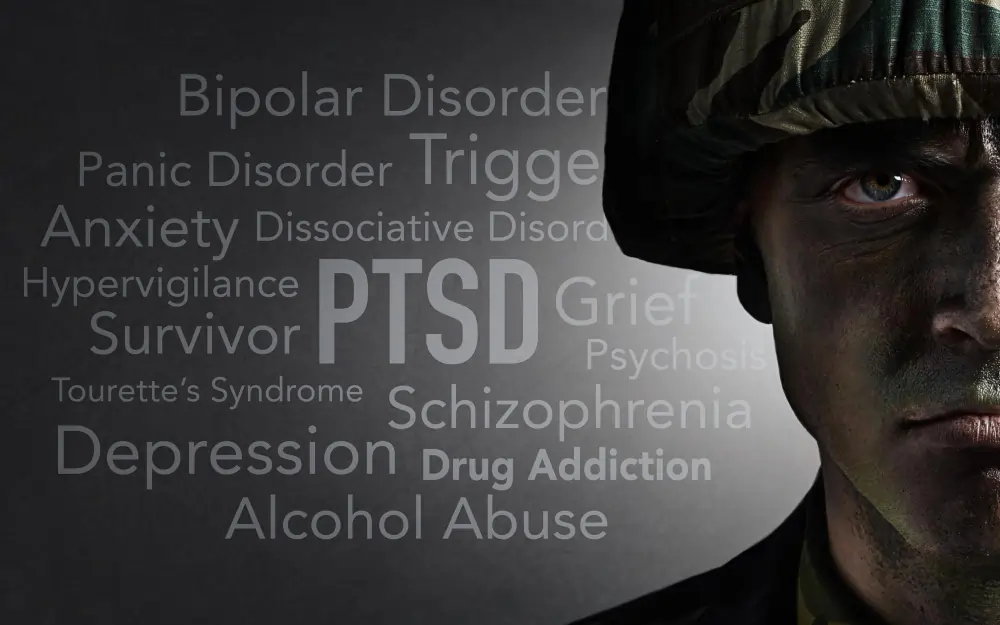
Living with trauma can feel exhausting. Memories intrude. Sleep is light or broken. Your body stays on high alert. If this sounds familiar, you are not alone. Many people in Maryland carry the weight of trauma every day. TMS Therapy for PTSD may help. It is a non drug, non surgical treatment that uses gentle magnetic pulses to stimulate specific brain networks. Our team at Maryland Spravato and TMS Center offers NeuroStar TMS in a calm, supportive setting. TMS is not yet cleared by the Food and Drug Administration for PTSD. It is an off label option that some people pursue when standard care has not brought enough relief. We always place safety and informed choice first. (Maryland Spravato & TMS Center)
Table of Contents
A quick guide to PTSD
PTSD can follow a traumatic event. That can include combat, assault, accidents, disaster, or other life threatening moments. Symptoms often include flashbacks, nightmares, trouble sleeping, irritability, feeling on edge, and avoiding reminders of the event. These symptoms can last for months or years and can affect work, school, and relationships. First line treatments include trauma focused psychotherapy and, when needed, medication. A trained mental health professional can help you map a plan that fits your needs. (National Institute of Mental Health)
How TMS works in plain language
TMS stands for transcranial magnetic stimulation. A treatment coil rests gently on your head. The coil makes brief magnetic pulses. These pulses create tiny electrical signals in the brain. The goal is to nudge underactive or out of sync circuits back toward healthy patterns. Most people are awake and comfortable during sessions. No anesthesia is needed. You go back to normal activities right after. (National Institute of Mental Health)
What science says about TMS and PTSD today
Researchers in the United States and around the world are studying TMS for PTSD. Early and mid stage studies show promising results for some people. Several reviews report symptom reductions in re experiencing, avoidance, and anxiety. Some studies use standard high frequency left side targets. Others test right side or alternating targets. Many trials include veterans and first responders. More large, well controlled trials are underway. (PMC)
In real world care, some veterans with depression and PTSD who received a full course of TMS for depression also saw meaningful drops in PTSD symptoms. Many no longer met the screening threshold for PTSD after treatment. These findings come from multisite Veterans Affairs data and point to helpful overlap between treatments for depression and trauma. Results vary by person, and careful evaluation is key. (Veterans Affairs)
Clear words on FDA status
TMS is cleared by the Food and Drug Administration for major depressive disorder. It is also cleared for obsessive compulsive disorder and smoking cessation through certain devices. At this time there is no specific FDA clearance for PTSD. Using TMS for PTSD is considered off label and requires shared decision making with your clinician. Our team explains benefits and limits so you can choose with confidence. (U.S. Food and Drug Administration)
What to expect at Maryland Spravato and TMS Center
Your first step is a careful evaluation. We listen to your story and review your history. If TMS is appropriate, we design a plan that fits your schedule and goals. Typical sessions last from 19 to 37 minutes. Many people come five days a week for several weeks. You remain awake. You can relax, read, or listen to music. You return to normal activities right after the session.
Our care is personal and steady. You will meet with a certified TMS clinician who checks comfort and progress. We adjust placement and settings to target the right area for you. We also talk about daily habits that support healing. That can include sleep routines, gentle movement, and ways to lower stress between visits.
Who may consider TMS Therapy for PTSD in Maryland
TMS may be worth exploring if you have tried trauma focused therapy and medication and still have significant symptoms. It may help if you also live with depression or anxiety. It can be an option if medication side effects cause problems or if you prefer a non drug approach. We coordinate with your current therapist when possible. Many people use TMS along with psychotherapy. The two approaches can work together.
TMS plus therapy can be powerful
Trauma sits in both mind and body. Talk therapies aim to process fear memories and rebuild a sense of safety. TMS aims to steady the networks that manage attention, emotion, and memory. Early work from Veterans Affairs suggests that brain stimulation can prime circuits for deeper work in therapy. Some trials pair exposure based writing with TMS. Others combine TMS with EMDR or cognitive behavior therapy. The goal is the same. Help the brain learn that the threat has passed. Help your nervous system stand down.
Safety and side effects in clear terms
Most people tolerate TMS very well. The most common side effects are mild scalp discomfort and headache during the first few sessions. These usually fade as you adjust. There is a small risk of seizure which is rare with modern screening and protocols. Your care team will review your health history to keep you safe. TMS does not require anesthesia and does not affect memory. You can drive yourself to and from sessions.
How many sessions you may need
Everyone is different. Many people begin to notice changes within two to four weeks. Others need the full course before improvements show up. Our team checks progress often and adjusts as needed. After the first series, some people choose brief maintenance sessions later. Your plan is built around your response and goals.
Will insurance cover TMS for PTSD
Coverage rules focus on FDA cleared uses. Many plans cover TMS for major depressive disorder after certain steps. Coverage for PTSD is more complex since it is off label. We will help you check your benefits and explore options. We can also discuss how TMS for depression may still support trauma symptoms when both conditions are present. The goal is to build an honest plan that fits your needs and budget.
Your Maryland care team
Maryland Spravato and TMS Center serves people across the state. Many of our clients come from Laurel, Columbia, Silver Spring, Bethesda, Rockville, Baltimore, Annapolis, and Frederick. You can expect clear guidance, steady support, and a plan that respects your life and culture. You will never be rushed. You will always know what comes next.
Questions people ask
Does TMS hurt
Most people feel a light tapping on the scalp. Some feel brief tenderness at the start. We adjust comfort settings right away.
Will I need to stop my current therapy
No. Many people keep working with their therapist during TMS. This can be a strong combination for trauma recovery.
Can TMS help if I also have depression
Yes. TMS is FDA cleared for major depressive disorder. If you live with both depression and PTSD, treating depression can also ease your trauma symptoms. We will review the best plan for you.
How do I get started
Reach out to schedule a consult. We will review your history, answer questions, and plan next steps together. You deserve care that is safe, respectful, and hopeful.
Take your next step toward healing
TMS Therapy for PTSD is not a cure for everyone. It is not right for every case. But it can offer new hope for people who have tried many other paths. The science is growing. Real people are finding relief. If you are ready to explore this option in Maryland, our team is here to guide you. Call or request an appointment today. You are not alone.
References
- Learn more about brain stimulation and PTSD from trusted United States sources.
- National Institute of Mental Health overview of brain stimulation therapies. (National Institute of Mental Health)
- NIMH information on PTSD symptoms and treatments. (National Institute of Mental Health)
- VA National Center for PTSD treatment basics. (PTSD.va)
- Research on TMS for PTSD including meta reviews and VA updates. (PMC)
- FDA information on rTMS systems and cleared uses. (U.S. Food and Drug Administration)