
Understanding Adolescent Depression
Adolescent depression is a serious and growing concern. It impacts school performance, relationships, self-esteem, and overall mental health. In the U.S., over 4.3 million adolescents between ages 15 and 21 face major depressive episodes annually. When medications fail or cause unwanted side effects, families need alternatives that are both safe and effective.
NeuroStar® for Teens: A Groundbreaking, FDA-Cleared Option
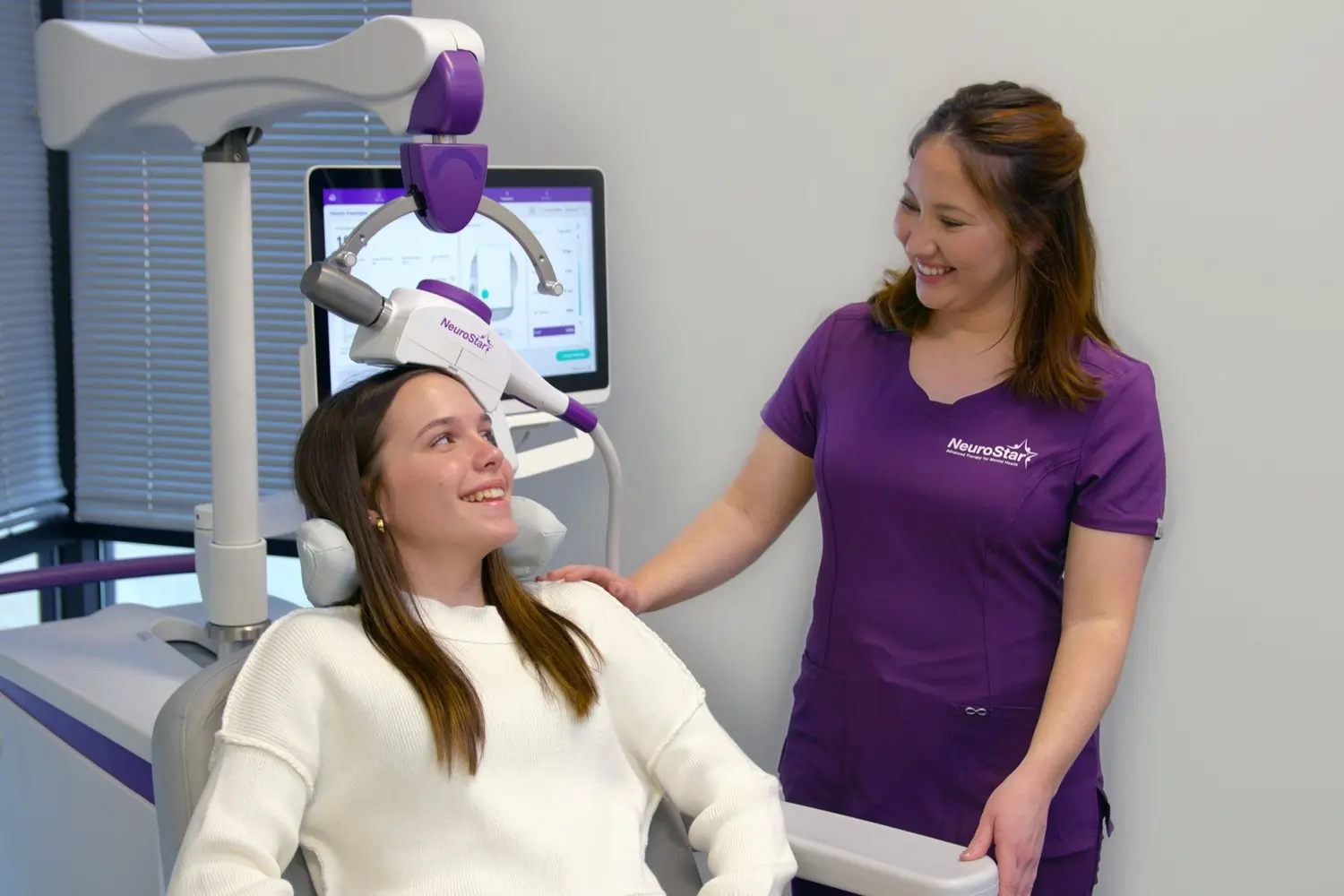
NeuroStar® Advanced Therapy is the first TMS system cleared by the FDA for adolescents with MDD. As an adjunctive treatment, it complements existing care plans without requiring teens to discontinue their current medications. It offers a breakthrough approach that can significantly enhance treatment outcomes.
Why Consider NeuroStar® TMS for Your Teen?
- Targeted Treatment: Uses magnetic pulses to activate brain regions tied to mood regulation.
- Non-Drug Option: Avoids systemic side effects common with antidepressants.
- Clinically Proven: In clinical trials, 78% of adolescents showed improvement, with 48% achieving full remission.
- Minimal Disruption: Sessions take about 19 minutes, and teens can resume normal activities immediately after.
What to Expect During Your Teen's Treatment
Treatment sessions are conducted in a calm and safe clinical environment. Teens are seated in a comfortable chair while a small magnetic coil is gently placed on the scalp. They will hear clicking sounds and feel light tapping—the process is non-invasive, painless, and requires no anesthesia or downtime.
Safety Information for Teens and Parents
NeuroStar® TMS is well tolerated by teens. Mild to moderate scalp discomfort is the most common side effect, typically resolving after the first few sessions. The risk of seizure is rare, at less than 0.1%. Treatment requires a full clinical evaluation by a qualified provider to determine eligibility.
A Word to Parents
Watching your child suffer from depression is heartbreaking. NeuroStar® offers a promising alternative to traditional medications. We work collaboratively with your family and your child’s healthcare providers to develop a care plan tailored to your teen’s needs. As insurance coverage expands—including through providers like Cigna/Evernorth—this life-changing therapy is becoming more accessible.
A Word to Teens
If you’re reading this and feeling stuck, you’re not alone. TMS is different. It doesn’t involve drugs or major side effects. Instead, it uses gentle magnetic pulses to help your brain get back on track. You stay awake, sessions are short, and you can go about your day right afterward. It could be the solution that finally makes a difference.*-
Frequently Asked Questions
What types of trauma do you treat?
Our Trauma Service treats a wide range of traumatic experiences, including but not limited to physical or sexual assault, childhood abuse, domestic violence, accidents, natural disasters, military combat, and witnessing or experiencing violence. We provide care for both acute and chronic trauma.
What are common symptoms of trauma?
Common symptoms of trauma can include flashbacks, nightmares, severe anxiety, depression, irritability, emotional numbness, difficulty concentrating, and avoidance of places or situations that trigger memories of the trauma. Physical symptoms such as headaches, fatigue, and gastrointestinal issues can also occur.
What treatments are available for trauma?
Treatments for trauma typically include therapies such as Cognitive Behavioral Therapy (CBT), Eye Movement Desensitization and Reprocessing (EMDR), trauma-focused cognitive therapy, and somatic experiencing. In some cases, medication may be prescribed to manage symptoms such as anxiety or depression. Our service also offers group therapy and support groups to provide additional support.
How effective are these treatments for trauma?
Evidence-based treatments for trauma, such as CBT and EMDR, have been shown to be highly effective in helping individuals process and recover from traumatic experiences. Many patients experience significant improvement in symptoms and overall quality of life. The effectiveness of treatment can depend on factors such as the individual’s commitment to therapy, the severity of the trauma, and the presence of a supportive environment.
How do I know if I need professional help for my trauma?
If you are experiencing persistent symptoms that interfere with your daily life, relationships, or ability to function, it may be beneficial to seek professional help. This can include ongoing feelings of fear or helplessness, intrusive memories, avoidance behaviors, difficulty managing emotions, or physical symptoms linked to the trauma. Consulting with a mental health professional can help you determine the best course of action for your specific situation.
Ready to Learn More?
Schedule a consultation at Maryland Spravato & TMS Center to find out if NeuroStar® TMS is right for your teen. We’re here to answer your questions, support your family, and offer hope when it’s needed most.

Book an Appointment
Start Your Journey to Psychological Wellness with Advanced Treatments