
TMS for Depression in Maryland: A New Chapter in Your Mental Health Journey
At Maryland Spravato & TMS Center, we specialize in providing NeuroStar® TMS therapy—an FDA-cleared, non-invasive solution for individuals living with Major Depressive Disorder (MDD), especially when medication has not provided adequate relief. If you’re struggling with Treatment-Resistant Depression (TRD), this page is your guide to understanding how TMS can help you reclaim your mental wellness.
Understanding Treatment-Resistant Depression (TRD)
Treatment-Resistant Depression occurs when symptoms of depression persist despite trials of one or more antidepressant medications. It can be deeply discouraging and isolating. If you’ve felt that nothing seems to work, know that you’re not alone—and that proven alternatives like TMS therapy are available and effective.
How NeuroStar® TMS Helps with Depression
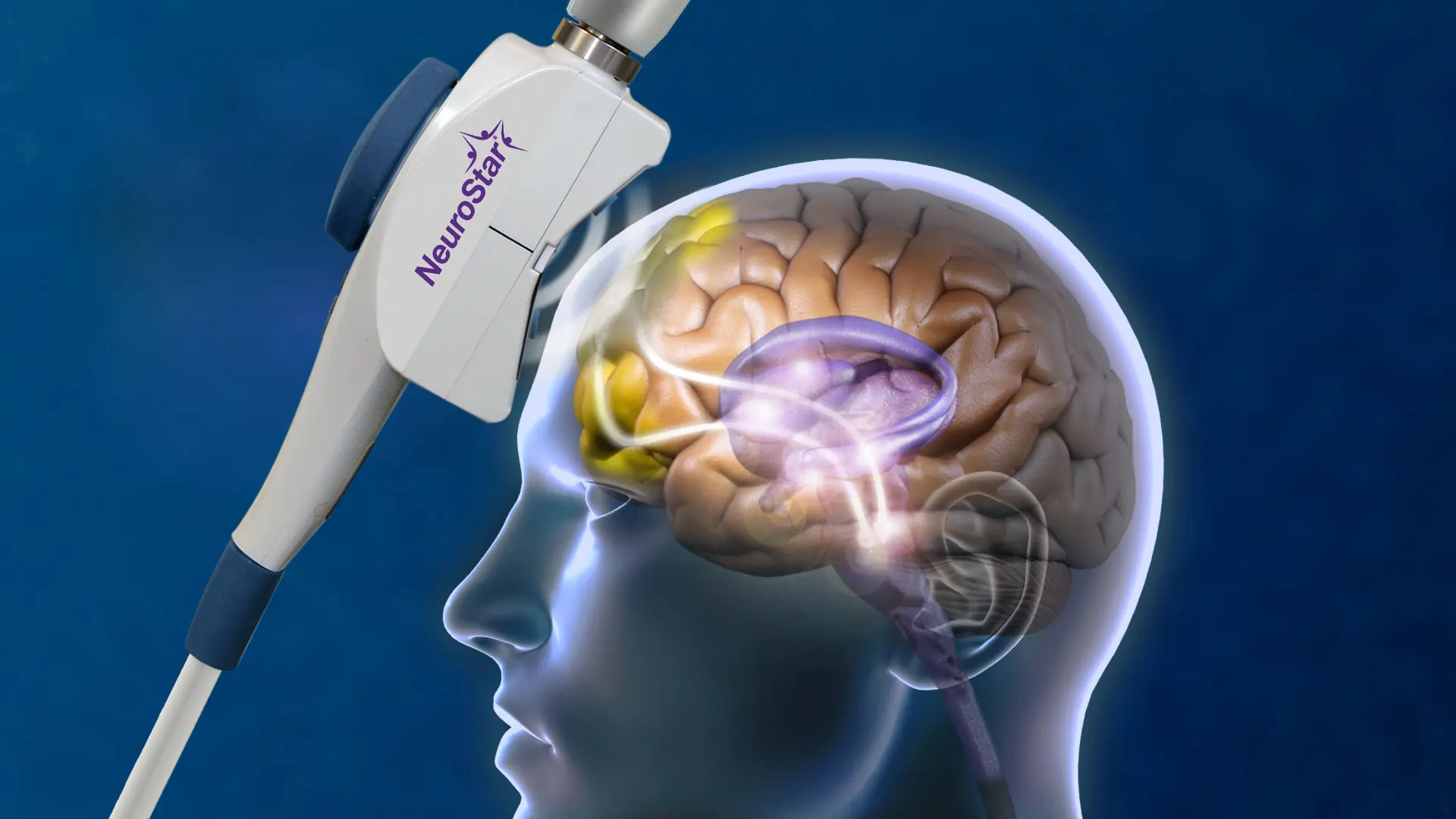
NeuroStar® Advanced Therapy takes a different approach by directly targeting the brain’s mood centers. Using focused magnetic pulses, TMS stimulates underactive areas of the brain—particularly the dorsolateral prefrontal cortex. Over a series of sessions, these regions “awaken,” supporting improved neural activity and lasting symptom relief without the systemic side effects of medication.
Evidence of Effectiveness
Backed by over 4.8 million treatments and 134,000+ patients, NeuroStar® TMS has a proven track record. Clinical studies and real-world data show significant symptom reduction in patients with TRD. Many begin to notice changes by the second week of treatment, with full results typically seen by the end of the six-week course. Often, it’s family or close friends who first notice the positive transformation.
What Does Relief Look Like?
Each individual responds to TMS therapy in their own way, but many describe a steady, meaningful improvement in mood, energy, focus, and overall quality of life. Patients frequently share that they feel “lighter,” laugh more, enjoy better sleep, and reconnect with the people and activities they once loved.
Is NeuroStar® TMS Right for My Depression?
If you’ve been diagnosed with MDD and have not found success with antidepressants, you may be an ideal candidate for NeuroStar® TMS. It’s a safe, non-drug, and non-invasive treatment approved specifically for individuals with Treatment-Resistant Depression. A consultation at our Maryland clinic will determine if this approach fits your needs.
Frequently Asked Questions
What types of trauma do you treat?
Our Trauma Service treats a wide range of traumatic experiences, including but not limited to physical or sexual assault, childhood abuse, domestic violence, accidents, natural disasters, military combat, and witnessing or experiencing violence. We provide care for both acute and chronic trauma.
What are common symptoms of trauma?
Common symptoms of trauma can include flashbacks, nightmares, severe anxiety, depression, irritability, emotional numbness, difficulty concentrating, and avoidance of places or situations that trigger memories of the trauma. Physical symptoms such as headaches, fatigue, and gastrointestinal issues can also occur.
What treatments are available for trauma?
Treatments for trauma typically include therapies such as Cognitive Behavioral Therapy (CBT), Eye Movement Desensitization and Reprocessing (EMDR), trauma-focused cognitive therapy, and somatic experiencing. In some cases, medication may be prescribed to manage symptoms such as anxiety or depression. Our service also offers group therapy and support groups to provide additional support.
How effective are these treatments for trauma?
Evidence-based treatments for trauma, such as CBT and EMDR, have been shown to be highly effective in helping individuals process and recover from traumatic experiences. Many patients experience significant improvement in symptoms and overall quality of life. The effectiveness of treatment can depend on factors such as the individual’s commitment to therapy, the severity of the trauma, and the presence of a supportive environment.
How do I know if I need professional help for my trauma?
If you are experiencing persistent symptoms that interfere with your daily life, relationships, or ability to function, it may be beneficial to seek professional help. This can include ongoing feelings of fear or helplessness, intrusive memories, avoidance behaviors, difficulty managing emotions, or physical symptoms linked to the trauma. Consulting with a mental health professional can help you determine the best course of action for your specific situation.
Hope Is Possible

Book an Appointment
Start Your Journey to Psychological Wellness with Advanced Treatments